Pfizer and Modern Covid-19 vaccines give hope for the “light at the end of the tunnel.”

The announcements by Moderna and Pfizer-BioNTech that they produced effective Covid-19 vaccines are giving hope to the world suffering from the second wave of the global pandemic.
Both results are preliminary and require to go through the final approval process. Still, it is a “light at the end of the tunnel,” according to Dr. Anthony Fauci, the renowned immunologist and a member of the White House Task Force on Covid-19.
Vaccines usually take years to develop, approve and administer. Many diseases, such as AIDS, have not seen a vaccine even after decades of research. The genome for Covid-19, which is necessary to produce a vaccine, was only confirmed on January 11 of this year. By March 16, the pharmaceutical producers conducted clinical trials on humans, an unprecedented pace of medical innovation and research.
On November 16, 2020, Moderna announced its vaccine received a 95% efficacy rate from an independent monitoring board. Pfizer-BioNTech announced on November 8, 2020, it had a 90% efficacy vaccine of its own.

The regular flu vaccines have a 50% efficacy rate on average, meaning that 50% of the people who get the vaccines are protected. Two separate companies producing vaccines at over 90% efficacy rate has come as a stunning surprise to the scientific community.
The preliminary results still have to be reviewed and approved by the FDA (Food and Drug Administration) in the U.S. before distributing the vaccines widely. Health Canada has initiated its review process of the vaccines, using the data as they become available. “The unexpectedly high figure (of the efficacy rate) still needs to be confirmed by larger numbers and over time.”
Both companies indicated they will apply for emergency use authorization, available in the U.S. that would allow distribution of millions of doses to selected recipients, by as early as the end of 2020. They aim to produce billions of doses of vaccines by 2021.
Moderna and Pfizer-BioNTech are two of eight vaccine candidates Canada entered into a contract in advance to purchase the vaccines. Canada allocated $1 billion for vaccine procurement and secured 414 million doses of vaccines from eight companies: Medical, AstraZeneca, Sanofi and GlaxoSmithKline, Johnson & Johnson, Novatax beyond Pfizer-BioNTech and Moderna.
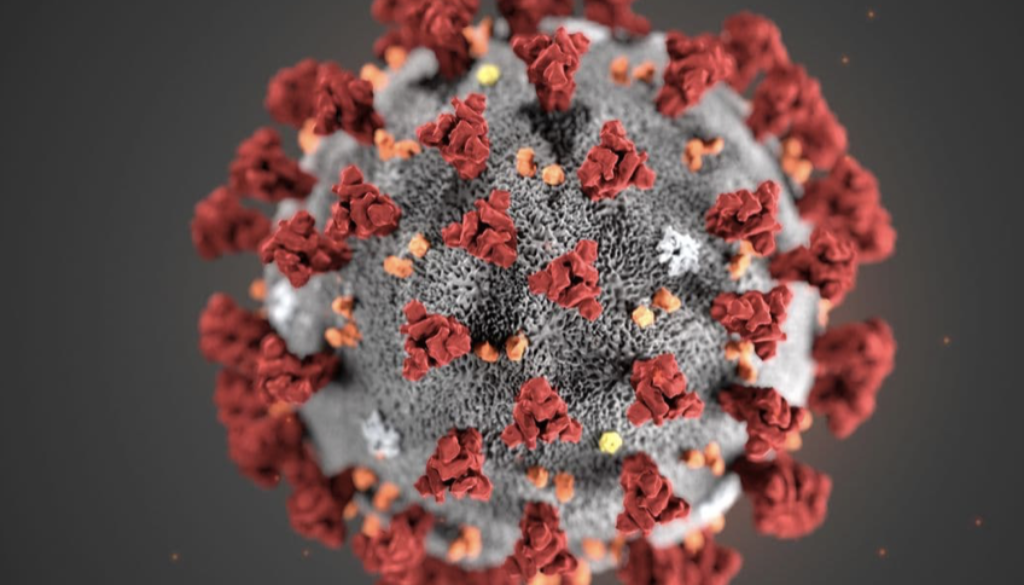
The vaccines from both Moderna and Pfizer-BioNTech use brand-new technology. The “messenger RNA (mRNA)” vaccine contains “a piece of genetic code that trains the immune system to recognize the spiked protein on the surface of the virus.”
What makes the mRNA different from traditional vaccines, like flu vaccines, is that they are not made with the coronavirus itself, which means there’s no chance anyone could catch the virus from the injection.
In an interview on MSNBC, Moderna’s Chief Medical Officer, Tal Zaks, stated that out of the 30,000 volunteers in the clinical trial, 8,000 had chronic conditions, 25% were 65 years or older, and 30% were black and brown Americans. On the other hand, Pfizer Pfizer was given permission to include twelve-year-olds in their studies, a first for such a clinical trial. They feel the efficacy applies across diverse segments of the population.
Moderna vaccine showed minor side-effects involving flu-like symptoms for a short transition, while Pfizer vaccine caused headaches in some of the recipients.
Modern also feel that the vaccine could reduce the severity in those who got the virus after being vaccinated. None of the eleven volunteers who showed severe symptoms from the virus were among those who got their vaccine shots.
There are some crucial questions that will need to be answered from the vaccines going forward. We do not know how long the immunity will last once the vaccines are administered. The Chief Medical Officer of Moderna, Tal Zaks, says the durability could last for months. The clinical trials will carry on for two years. More time will give us the answer to this question.
At least three other vaccine candidates Canada has a purchase contract with are in phase 3 of clinical trials. We may hear results from them soon that could give more options and volumes of vaccinations.
Canada has ordered 76 million doses of Pfizer-BioNTech vaccines and 20 million firm orders for Moderna vaccines, with an option for 36 million more.
If all goes well with the approval and production process, Canada could be administering the vaccines widely to its citizens by February or March of 2021, according to the infectious diseases specialist Dr. Isaac Bogoch.
The challenge of distributing the vaccines across Canada will be huge. Both Moderna and Pfizer-BioNTech vaccines require two shots with two to three weeks of intervals between the injections. Both vaccines require being stored and kept in cold temperatures.
Moderna vaccines are easier to handle. It can store and travel at -20 C and be refrigerated for up to 30 days after being thawed. Pfizer vaccines require below -70 C storage and transportation. Pfizer is designing boxes that will keep the vaccines in right temperature. Regardless, distributing these vaccines safely and efficiently across Canada will require careful logistic planning.
Canada has committed to deploying all available resources, including the armed forces, to oversee the distribution of the vaccines across Canada once they become available.
Ethical decisions will also have to be made about who will be in the front of the line to receive the vaccines. Ontario Premier Doug Ford suggested that the frontline healthcare workers and those who work in long term facilities will be among the first.
There is no doubt the Covid-19 vaccines announcements give us a reason to hope. But they have to get through the approval process in the U.S. and Canada, and the hurdles of logistics involved in distribution and administration.
Most likely, the earliest we can expect the vaccine distribution is late spring or early summer. In the meantime, we have to stay vigilant. As has been advised and reiterated by the Provincial Public Health office in BC, practice social distancing, wear a mask, avoid un-necessary personal contact and washing our hands.